

Alice Nicole Oueijan, AMFT, APCC
Associate Marriage and Family Therapist #164428
Associate Professional Clinical Counselor #23167
Supervised by Ashlei Lien, LMFT #87289
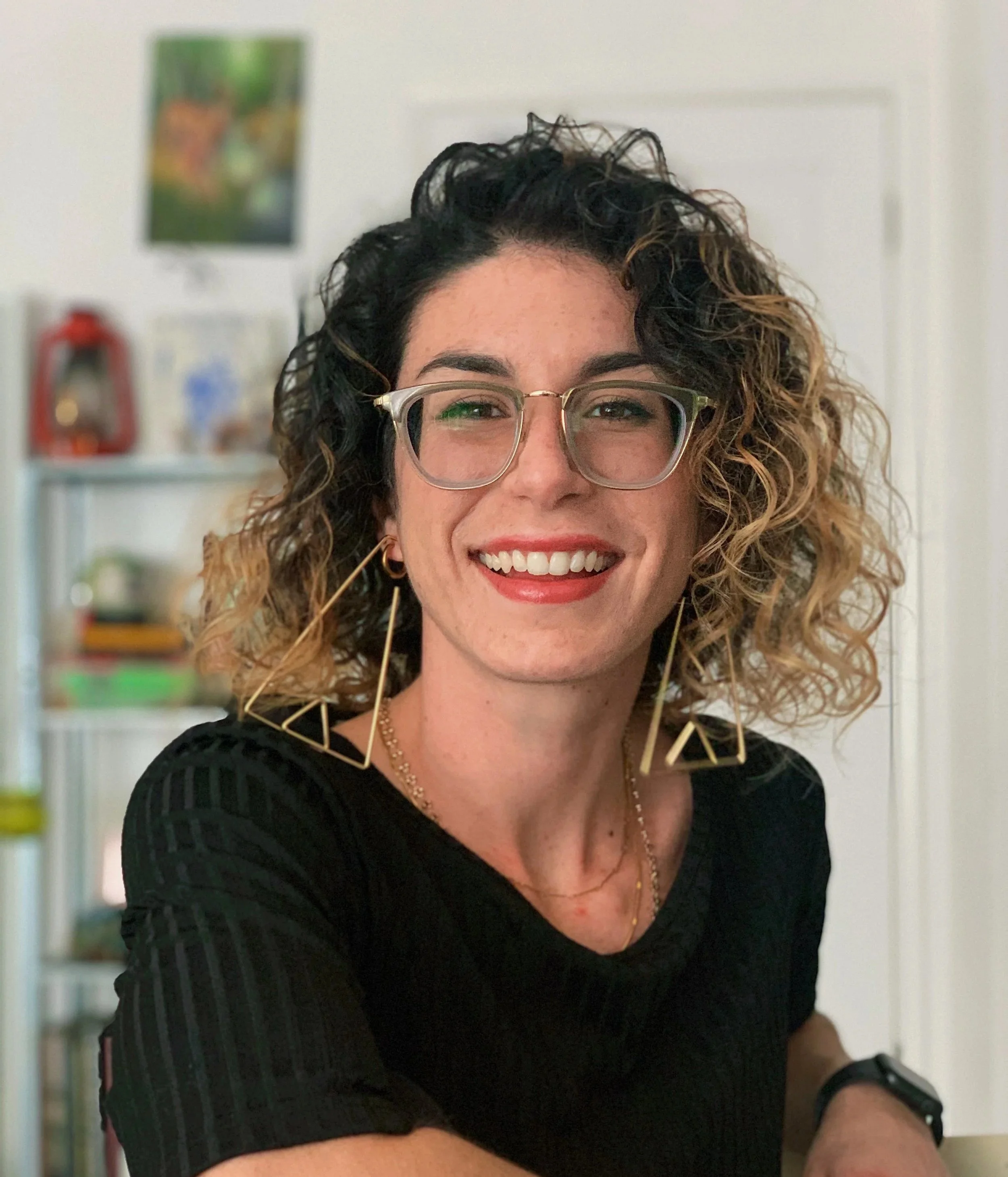

Hey! I’m Alice. I help late-diagnosed neurodivergent folks, cycle-breakers, and people who are exhausted from "performing" their lives figure out what actually fits them.
I believe our perspectives shape our experiences, and that neither is fixed. A new perspective can’t change what happened, but it can change what we understand, what we notice, and what becomes possible next.
Maybe you’ve always felt a little different, even if you’ve gotten very good at looking like you have it together. Maybe other people think you’re doing fine, but they don’t see how much work being “fine” takes.
You might already recognize some of the patterns playing out in your relationships, your family, or the way you respond to yourself. Part of our work can be figuring out how those patterns started, why they stuck around, and whether they’re still working for you. Sometimes there’s more than one reason. And even when you understand a pattern, change can take more than insight.
You don’t need a diagnosis, a perfect explanation, or an organized version of your story to begin. We can get curious about what shaped you, what helped you survive, what no longer fits, and what you want to keep, change, or build.

We Might Work Well Together If…
You recognize patterns in your relationships or family but still feel stuck repeating them.
You want to get better at saying what you mean, setting boundaries without feeling awful about it, or handling big emotions without them taking over.
You’re burned out, going through a major change, or wondering whether the life you’ve built still fits you.
You’re facing a big decision and want a place to think it through without being told what you should do.
You’re exploring whether ADHD or autism might be part of your story, or you’re figuring out what a later diagnosis means for your life.
You’re questioning expectations you inherited from your family, culture, religion, or community.
You’ve tried therapy before, but it felt rigid, generic, or a little like filling out a form with emotions.
You don’t need to relate to everything (or anything) on this list. You don’t need to know exactly what kind of help you’re looking for yet.

What Therapy With Me Is Like
I’m not a sit-back-and-nod therapist. I listen actively, ask questions, reflect what I’m hearing, and sometimes pause to make sure I’ve understood you correctly. You don’t need to arrive with a perfectly organized story or know exactly what you want to say.
I use plain language, metaphors, and humor to make complicated or overwhelming things easier to approach. Sometimes I’ll ask you to look at something from a completely different angle. The analogy might sound ridiculous at first, but if it helps something click, then it’s done its job.
I’ll probably challenge you sometimes (because I want you to grow), but I won’t pressure you into doing something you don’t want to do. If something isn’t working, I want you to tell me. And if I don’t know something, I’ll be honest about that, too.


How I Work
I don’t use the same approach with every client. Some sessions might focus on a practical skill or a problem that needs attention right now. Others might involve looking more closely at your relationships, history, identity, beliefs, or the bigger question of whether the life you’re living actually fits you.
I pull from different approaches instead of trying to make every person or problem fit one method. We might look at how your family and relationships shaped a pattern, question a story you’ve been carrying, focus on what is already working, or practice a concrete skill. What matters most to me is whether our approach is helping you understand yourself and move toward what you actually want.
If you’re interested in the official clinical names, my work draws from Family- Systems, Person-Centered, Narrative, Solution-Focused, Motivational Interviewing, CBT, and DBT-informed approaches.
I work from a neurodiversity-affirming, culturally responsive, trauma-informed, and systems-aware perspective. I won’t automatically treat your distress as a personal defect when your relationships, environment, culture, or circumstances might also be contributing to it.
Therapists Are Mirrors, Not Maps
I don’t believe my job is to hand you directions or decide where you should go. You’re the person living your life. My role is to help you see things that can be difficult to see from the inside: patterns, blind spots, strengths, contradictions, and choices you may not have realized you had.
That might include figuring out what genuinely belongs to you and what was handed to you by your family, culture, relationships, religion, or the systems around you. We can look at what helped you survive, what no longer works, and what you want to keep, change, or build.
Coping skills are useful—and I’ve got loads for you to choose from—but I’m not interested in helping you simply tolerate a life that doesn’t fit. I want us to figure out what doesn’t fit, why it doesn’t fit, and what you want to do about it.
Ultimately, my goal is that you leave our work together feeling less exhausted, more grounded in your own skin, and confident that the life you are building is actually yours.
My Story and Background
I’m a first-generation Lebanese American, and Arabic was my first language (Rodgers & Hammerstein taught me English). I’m also AuDHD and LGBTQ+.
These parts of who I am inform how I understand family roles, cultural expectations, identity, belonging, and the work involved in translating yourself for other people. But more importantly, they remind me to stay curious about the many different identities, experiences, relationships, and circumstances each person brings with them.
My path here was not a straight line. Before entering the mental -health field, I studied communication and theatre design, and later psychology, applied design, and art history. I’ve worked in floristry, entertainment, food service, education, crisis support, and art, design, and public -art production, among other things. (I got around, some might say.)
Moving through so many different worlds taught me that people make more sense in context. There’s rarely one right way to build a life, communicate, make sense of what you’ve been through, or get where you’re trying to go.
I also understand therapy from the client’s side. I know how discouraging it can be when the standard approach doesn’t work or when you leave feeling like you were somehow “bad at therapy.”
My own experiences with neurodivergence, religious deconstruction, and significant changes in my beliefs have taught me how complicated it can be to question ideas we may have inherited about who we are, what we should believe, and what we’re allowed to need. I know what it’s like to feel certain about a worldview and then begin examining it more closely. That experience helps me meet people where they are without assuming that where they are now is where they will always be.
If something isn’t helping, I don’t want to label you resistant. I want us to get curious about why it isn’t working and try something different.
Professionally, I earned my Master of Science in Counseling through Cal State LA’s School-Based Family Counseling program, with training in marriage and family therapy and school counseling. I also earned credentials in School Counseling and Child Welfare and Attendance. My clinical background includes individual and family therapy, school-based counseling, group work, caregiver consultation, and more than 400 hours of crisis support. I’ve worked extensively with adolescents and families, while also enjoying the depth and perspective that adults bring into therapy.
Let’s See If We’re a Good Fit
You don’t need to know exactly what to say when you reach out.
During a free 15-minute consultation, we can talk about what is bringing you to therapy, what you hope might change, and any questions or concerns you have about working together. You can also get a sense of whether I feel like someone you could actually talk to. Research consistently shows that the relationship between therapist and client is an important part of how well therapy works.
I provide online therapy throughout California, with appointments available on Mondays, Tuesday through Thursday evenings, and weekends. I know that work, school, caregiving, and life in general don’t always fit neatly into traditional weekday hours.
Individual sessions are $175, and couples or relationship sessions are $200. Limited sliding-scale appointments might be available.

Ready for a Change?
Taking the first step is often the hardest part, especially when you're already feeling burned out or stuck. But you don't have to untangle everything on your own. If you’re ready to start exploring what works for you, what doesn't, and what comes next, let's talk.